

A GREAT DAY IN EAST L.A
A GREAT DAY IN EAST L.A.
Created by award winning photographer, filmmaker and cultural historian Piero F. Giunti in 2014, A Great Day In East LA® is one of the largest independent photographic portrait, oral history and cultural archives documenting generations of musicians who shaped East Los Angeles and the greater Los Angeles music landscape.
The project began with a dream.
In 2014, Giunti had a vivid dream in which Art Kane's legendary 1958 photograph A Great Day in Harlem appeared to him. The iconic image, which brought together generations of jazz musicians on a Harlem street, became the spark for another idea: What if the musicians who shaped East Los Angeles and the greater Los Angeles music landscape were documented with the same sense of historical purpose?
When Giunti awoke, the idea for A Great Day In East LA® was there.
He began reaching out to musicians, artists and historians. Among the first was musician and historian Mark Guerrero, who joined Giunti at the project's beginning as co-founder and collaborator. The original vision was to bring generations of musicians together for one monumental photograph.
That photograph was never made.
Instead, the project became something much larger.
Giunti began creating individual and group portraits while recording extensive video oral histories with the musicians themselves. Guerrero's deep connections to East L.A.'s musical history helped bring artists from the 1950s through the 1980s into the project, while Giunti's relationships helped bring in artists from the late 1980s through the present day.
But those were never hard dividing lines. Giunti and Guerrero did the work together, researching artists, following leads, building relationships, conducting oral histories and earning the trust of musicians and their families. One musician introduced another. One generation opened the door to the next.
Over more than a decade, A Great Day In East LA® grew through those relationships and that trust, connecting more than seven decades of music into an independent cultural archive built outside the traditional boundaries of an institution.
Today, A Great Day In East LA® has documented more than 450 musicians through hundreds of photographic portraits and more than 250 recorded video oral histories.
The project crosses generations, neighborhoods and genres, from early rock and roll, R&B, soul and Latin music to punk, hip-hop, alternative music and sounds that resist easy classification. East Los Angeles remains at its center, while the archive reveals something much larger: the extraordinary ways East LA's musicians, communities and cultural movements have intersected with, influenced and helped shape the broader musical history of Los Angeles and beyond.
At its heart, A Great Day In East LA® is a living archive told through the people who made the history. It preserves their faces, voices, memories and firsthand experiences while connecting generations whose stories have too often been separated from one another or left outside the dominant narrative of Los Angeles music.
It began with a dream of A Great Day in Harlem
It became A Great Day In East LA®.
WHY EAST L.A.?
The name A Great Day In East LA® is both a celebration and a challenge to the traditional narrative of Los Angeles music history.
For decades, the mythology of Los Angeles music has centered heavily on Hollywood and the Sunset Strip. But another musical mecca existed east of Hollywood.
East LA was not standing in the shadow of the Sunset Strip. It had a musical world of its own.
Clubs, dance halls, backyard parties, record stores, independent labels, radio, promoters, musicians and audiences created an extraordinary musical ecosystem. Music was being created here. Movements were developing, audiences were gathering, and careers were being built here.
Just as importantly, East LA became a safe haven for Black and Brown musicians, audiences and communities. At a time when many Hollywood and Los Angeles nightclubs would not let Black and Brown people through their doors, East LA opened its doors to them.
Those open doors could be found throughout East LA's Latin music corridors. During the 1950s and 1960s, venues such as Lalo Guerrero's club "Lalo's", Manny Lopez's club and the Paramount Ballroom were part of a thriving network of places where musicians performed, communities gathered and different musical traditions encountered one another. In later decades, spaces including CYO/Self Help Graphics and The Vex carried that tradition forward for new generations and new sounds, alongside many other clubs, halls and community spaces across the Eastside.
That openness made East LA a remarkable crossroads across racial, cultural and musical boundaries. It was not only a place where local musicians could perform and build audiences. Artists including Celia Cruz, Tito Puente, Count Basie, Ike & Tina Turner and Billy Preston played in East LA, bringing jazz, Latin music, R&B, soul, rock and other sounds into the same larger cultural landscape that was nurturing generations of Eastside musicians.
When other doors were closed, East LA's doors were open.
And those open doors extended to genres as well as people.
East LA was never defined by a single sound. Rock and roll, doo-wop, R&B, British invasion, surf, soul, jazz, Mexican American and Chicano music, funk, Latin music, punk, hip-hop, alternative music and sounds in between existed alongside one another. Genres collided. Musicians influenced one another. New sounds emerged.
East LA was a crossroads.
Its importance was not determined by one ethnicity, one generation or one style of music. Its power came from the collision of all of them. Black and Brown musical traditions met and influenced one another, while musicians and audiences from different backgrounds shared stages, neighborhoods, dance floors and experiences.
That history is contained in the name A Great Day In East LA®.
The title deliberately turns the historical lens east. It challenges a Los Angeles music history too often centered on Hollywood and the Sunset Strip and recognizes another musical center that was thriving at the same time.
East LA was not a footnote to Los Angeles music history. It was one of the places where that history was being made.
It was, and remains, a musical mecca.
2014
Project Begins
THE ARCHIVE
More than a decade of photography, oral history, artifacts and community documentation.
450+
Musicians
250+
Oral Histories & photographic Portraits

THE PEOPLE BEHIND THE HISTORY
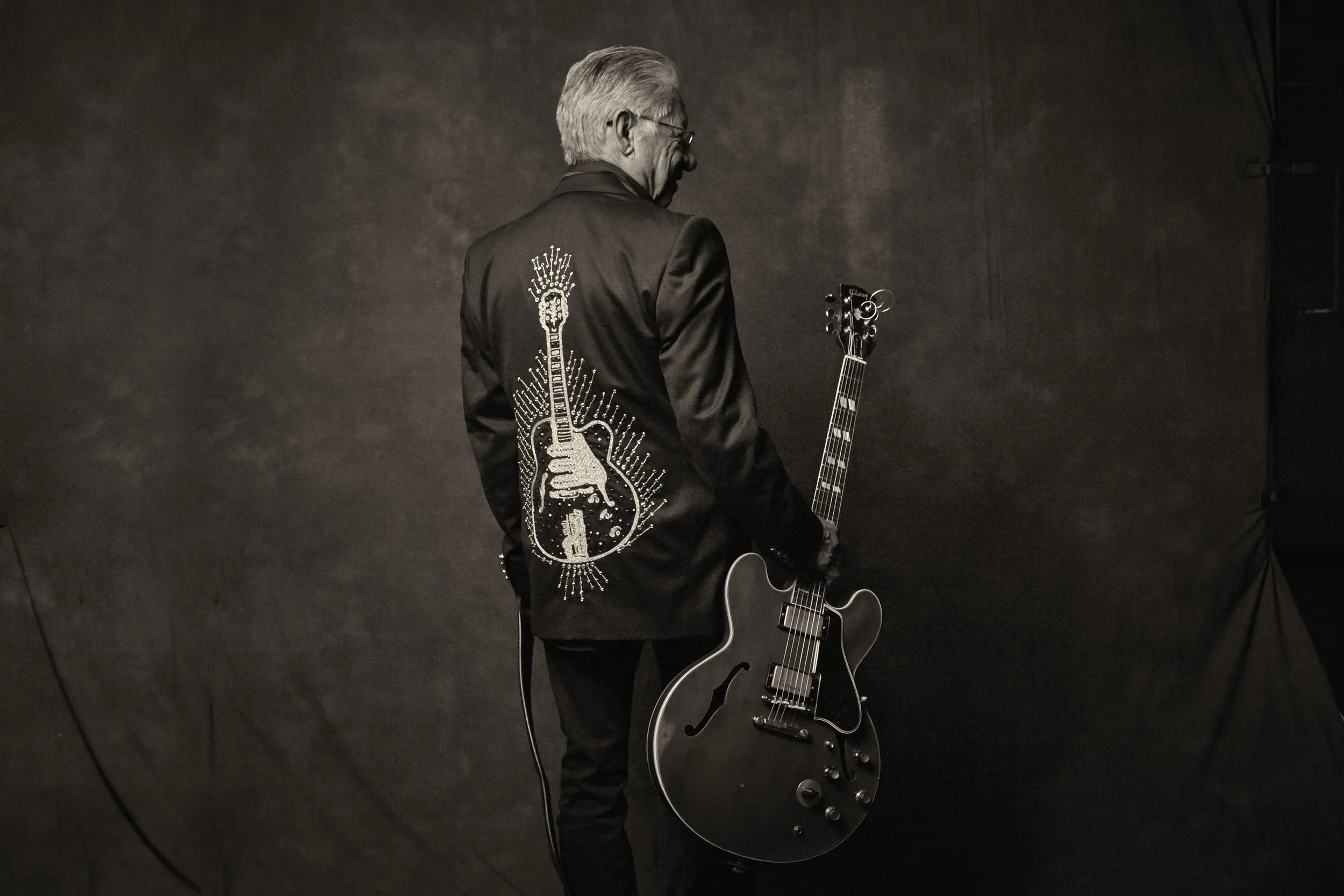
Musicians, artists, producers, historians and cultural figures whose lives and firsthand stories collectively map generations of Los Angeles music history.
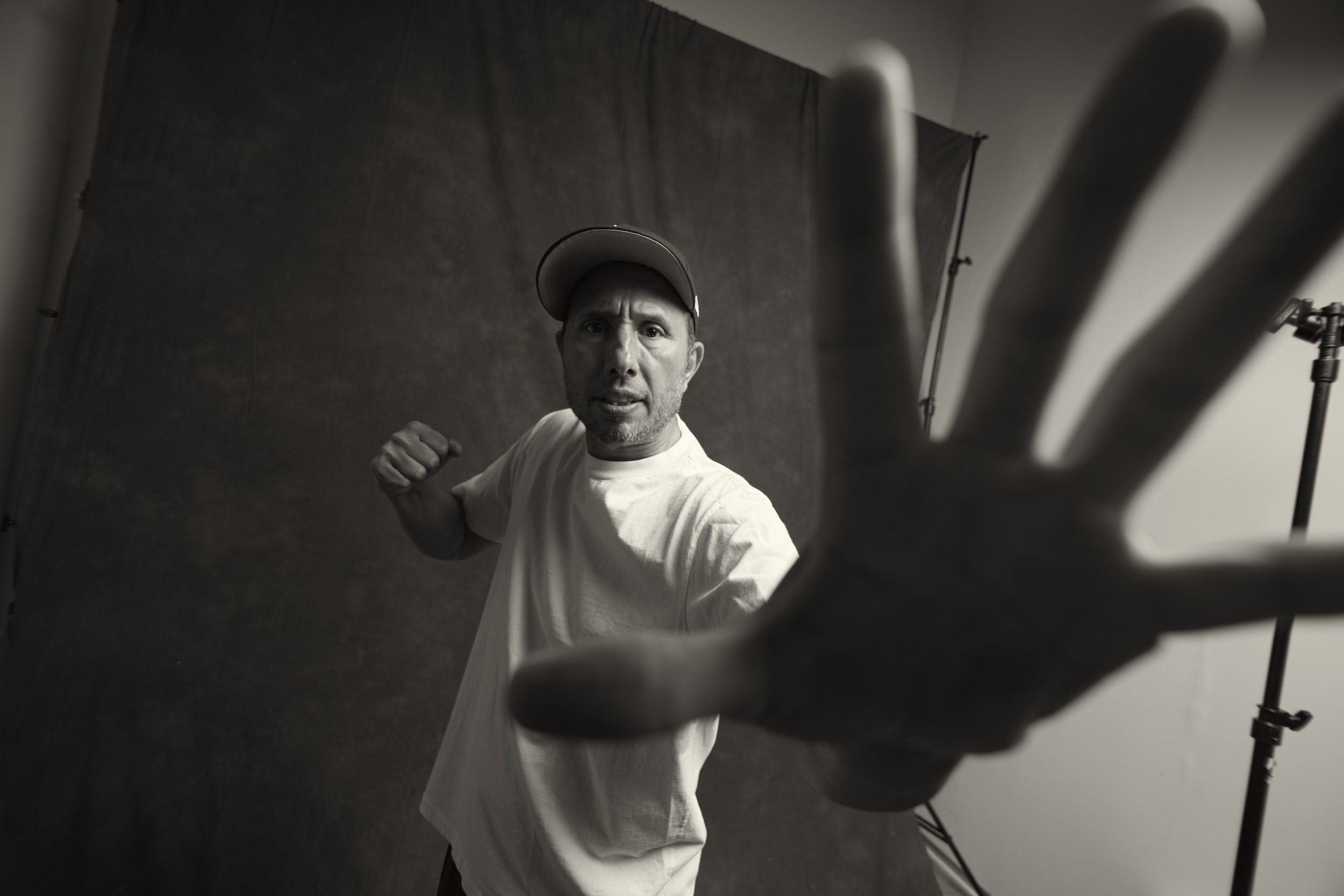
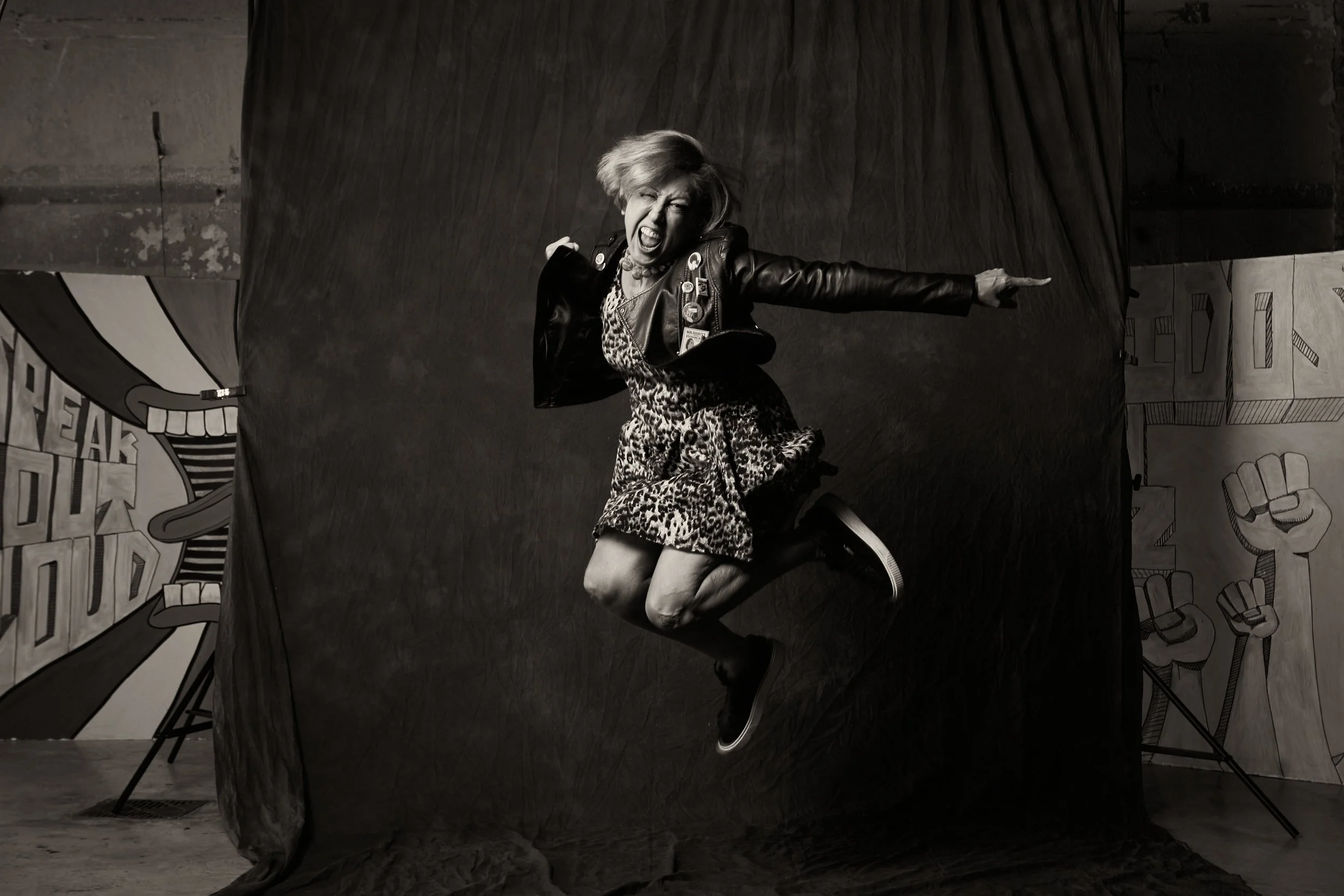
Zack De La Rocha, Rage Against The Machine 2025
Alice Bag, The Bags 2017

Aztlan Underground 2016

Mezklah 2016

LOS LOBOS 2021
FROM A PHOTOGRAPH TO AN ARCHIVE
2014
EAST LOS ANGELES
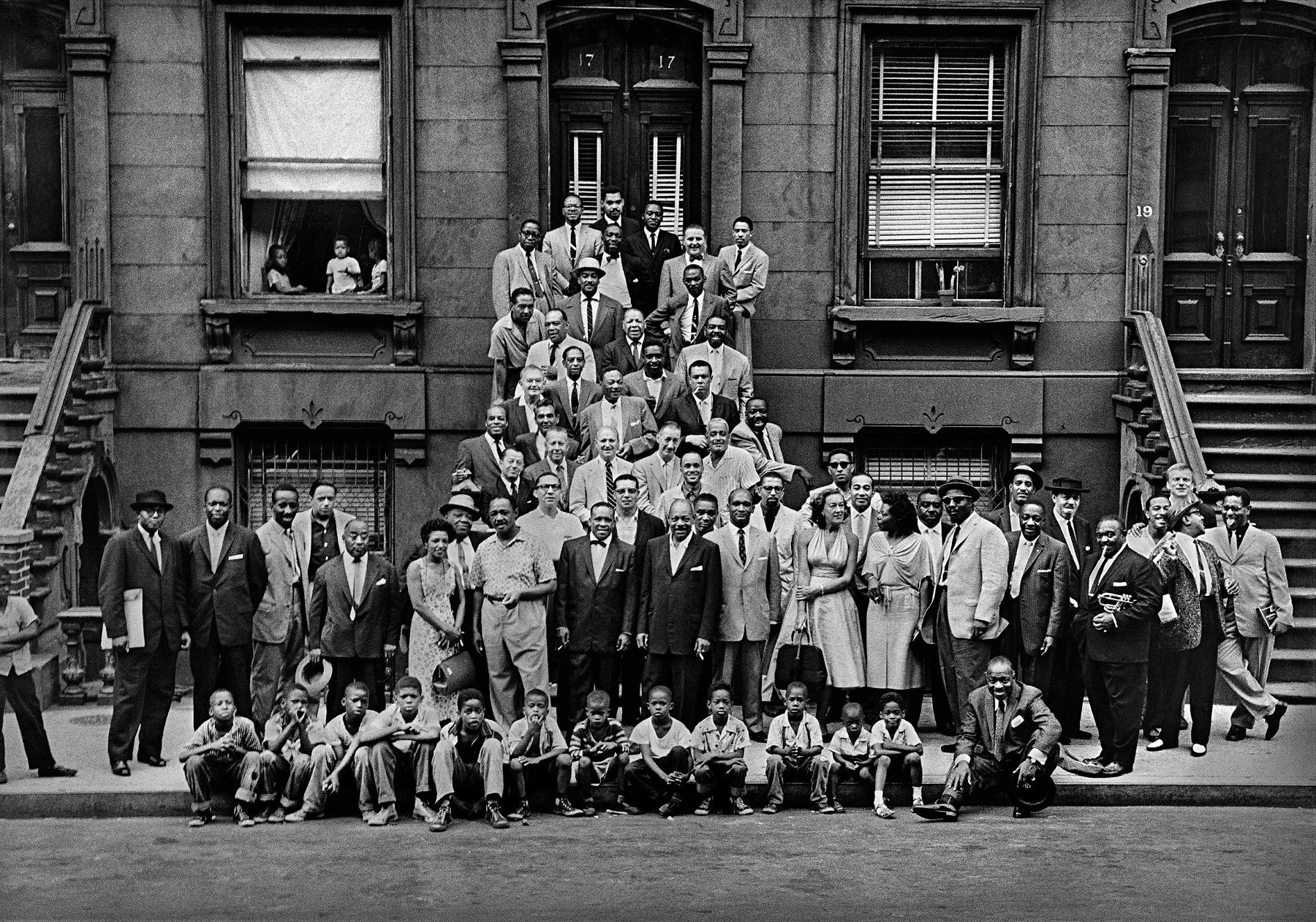
A Great Day In Harlem, 1958 by Art Kane
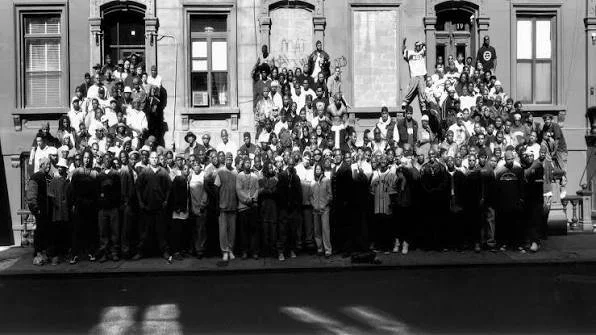
A Great Day In HipHop, 1998 by Gordon Parks
A Great Day In East LA® began in 2014 with an idea inspired by Art Kane’s legendary 1958 photograph A Great Day in Harlem and Gordon Parks 1998 A Great Day In Hip Hop: bring generations of musicians together and create a monumental portrait of East Los Angeles music.
But as the conversations began, the idea changed.
Musicians introduced musicians. Families opened their archives. Stories led to other stories. What started as an attempt to make a single photograph became an ongoing process of photography, filmmaking, oral history, research and cultural preservation.
THE MONUMENTAL PORTRAIT WAS NEVER MADE.
THE PROJECT BECAME SOMETHING MUCH LARGER.
Over the next decade, A Great Day In East LA® grew through relationships and trust into an independent cultural archive documenting hundreds of musicians and generations of Los Angeles music history.
HUNDREDS OF STORIES.
The photograph became portraits.
The portraits became conversations.
The conversations became an archive.
THEIR VOICES.
THEIR MEMORIES.
THEIR HISTORY.
THE STORIES BEHIND THE PORTRAITS
Every portrait became an opportunity to listen. Through hundreds of recorded conversations, A Great Day In East LA® preserves the voices, memories and firsthand histories of the people who shaped generations of Los Angeles music.
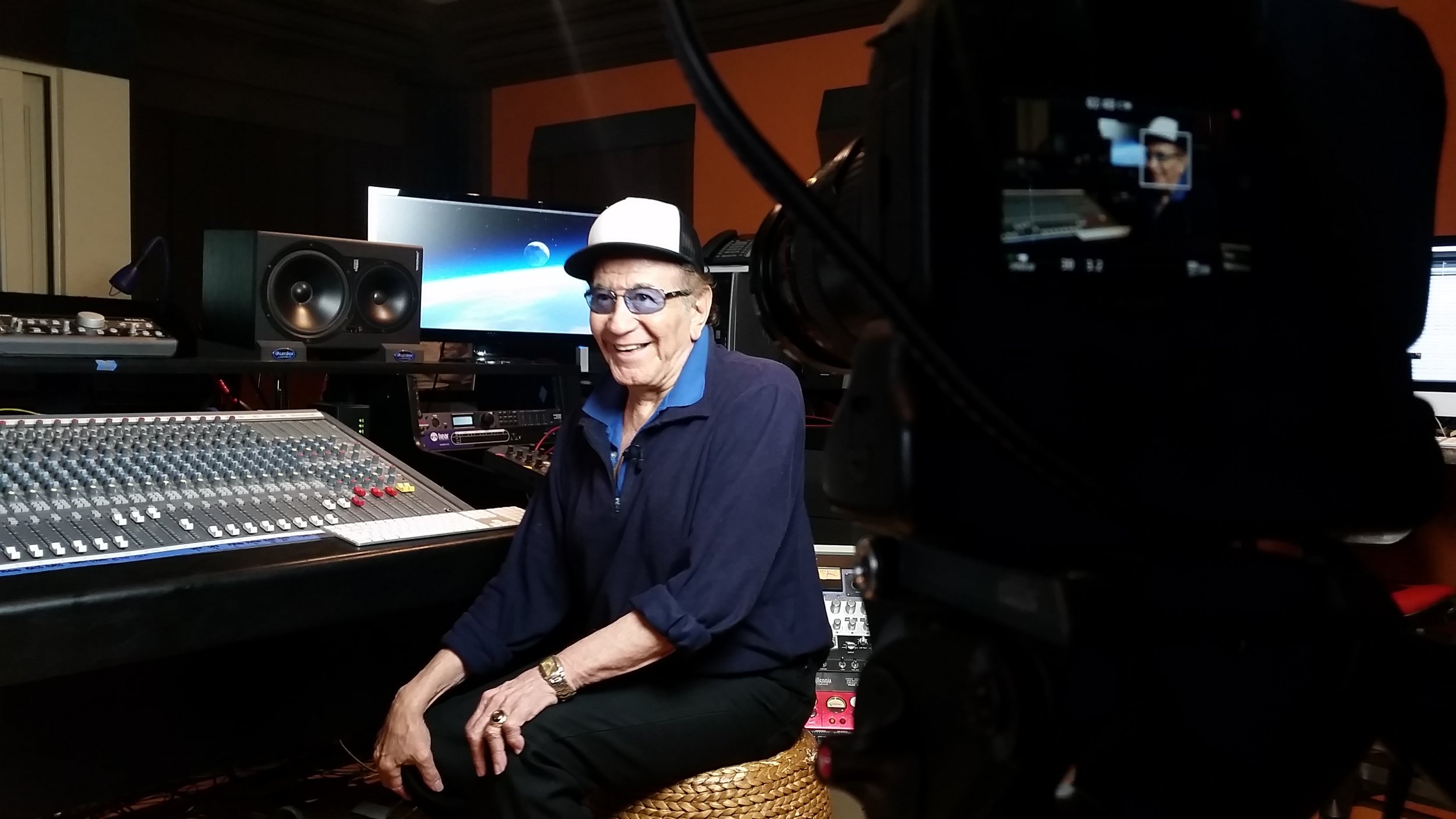
Trini Lopez · 2016
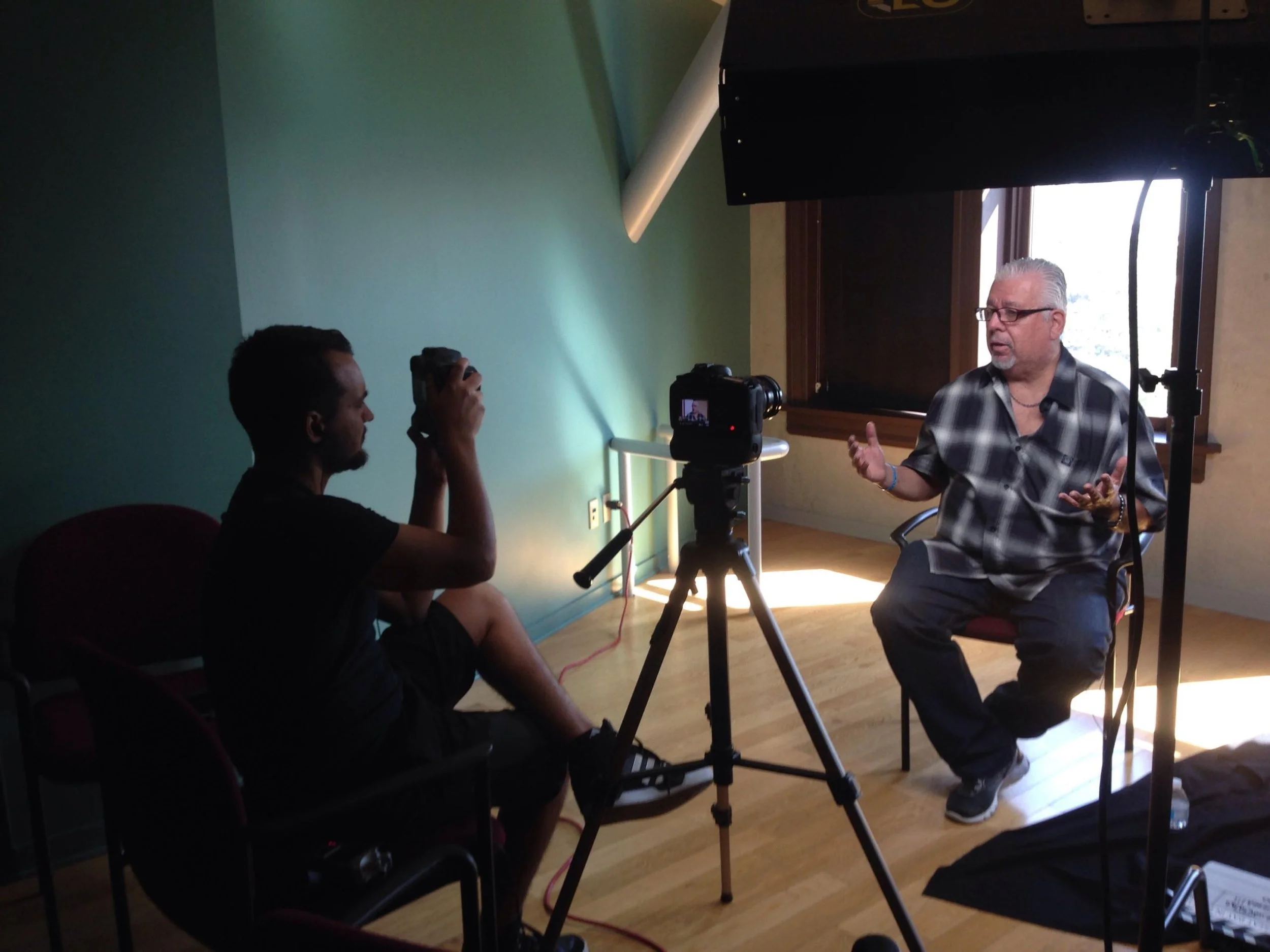
RUDY SALAS, TIERRA · 2014
First oral history interview recorded for A Great Day In East L.A.
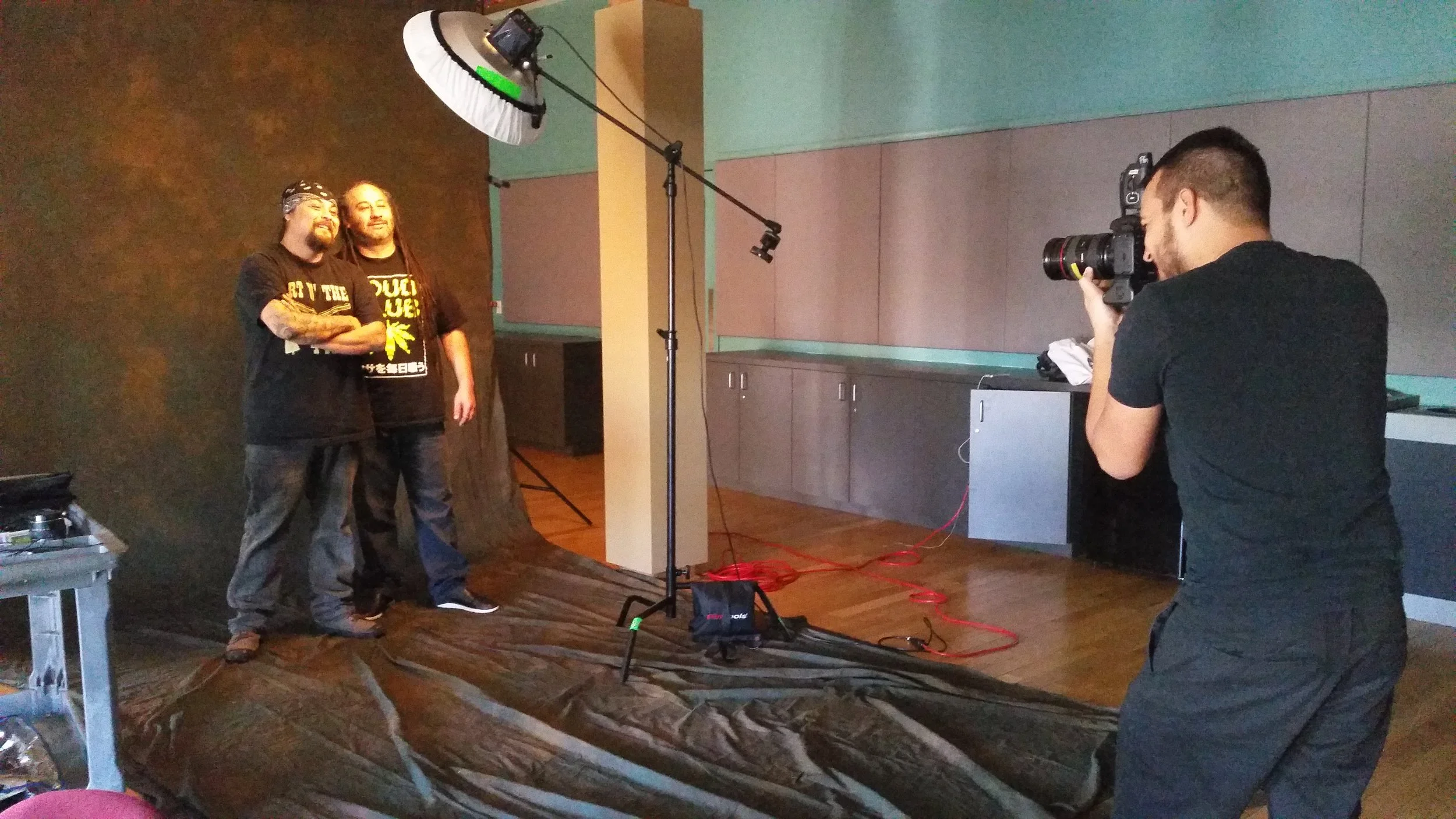
QUINTO SOL · 2014
Portrait session during the project's first day of interviews and photography.
FROM A PROJECT TO A COMMUNITY
What began with a handful of relationships grew into a community spanning generations of Los Angeles music.
TRUST BUILT THE PROJECT.
The project grew one relationship at a time. Musicians introduced musicians. Families opened their homes and archives. Artists entrusted their photographs, memories, instruments and histories to the project. One introduction led to another, crossing generations, neighborhoods and musical worlds.
A Great Day In East LA was not built through institutional access. It was built through the trust of a community.
450+ MUSICIANS.
250+ ORAL HISTORIES.
HUNDREDS OF PORTRAITS.
ONE LIVING ARCHIVE
Seven decades of Los Angeles music, documented through the people who lived it.